
How the AESCSF works, what Security Profile 2 requires, and what the June 2026 enhanced CIRMP Rules mean for critical energy assets under the SOCI Act.
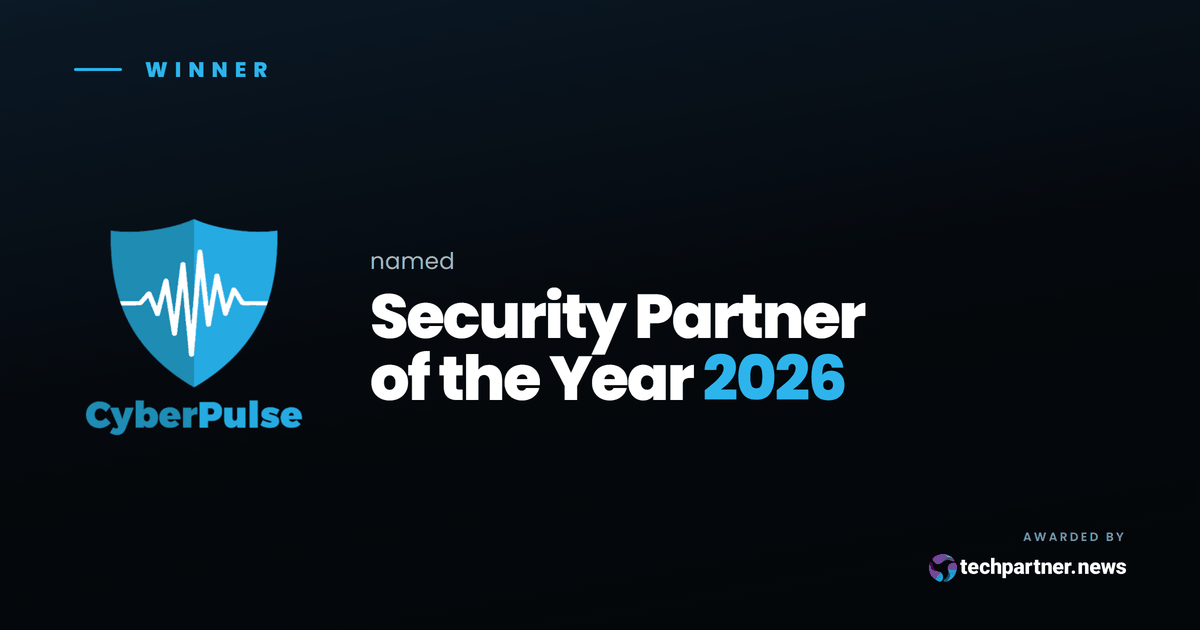
CyberPulse named Security Partner of the Year at the 2026 techpartner.news Impact Awards
First Published:
August 24, 2026
Content Written For:
Small & Medium Businesses
Large Organisations & Infrastructure
Government
Read Similar Articles
ISO 42001 Certification Australia: The Complete Guide (2026)
What ISO 42001 certification involves for Australian organisations: the two-stage audit, timeframes, cost drivers, and how it pairs with ISO 27001.
Penetration Testing for Central Coast Health and Aged Care Providers: What to Test First
Penetration testing for Central Coast health and aged care providers has to start in the right...
Penetration Testing in Newcastle and the Hunter: What Port, Energy and Industrial Operators Should Test First
Penetration testing in Newcastle and the Hunter has to cover more than the corporate network. Most...
OWASP Top 10 for LLM Applications 2025: An Australian Guide
All ten OWASP LLM risks (LLM01 to LLM10) for 2025, a mitigation for each, and how to map them to ISO/IEC 42001 and the NIST AI RMF.
CyberPulse has been named Security Partner of the Year at the 2026 techpartner.news Impact Awards. Winners were announced at the Winter Ball in Sydney on 13 August 2026.
The category covers Australian partner projects across governance, risk, certification and compliance, detection and response, and identity and access management. Judges assess one delivered client project and the outcome it produced. CyberCX and Platinum Technology were highly commended.
The engagement
We entered the managed compliance service we run for one of Australia’s Big Six law firms, covering four concurrent frameworks: ISO 27001, APRA CPS 234, SOC 2 and the ASD Essential Eight.
The firm held all four certifications before we started, and their security team ran the programme well. They engaged us to take it further. Every change had to hold inside frameworks their clients and regulators already relied on, run with the people already doing the work, and put no certification at risk. That constraint shaped the whole engagement.
What we run for them
This is a managed service, not an advisory engagement. Our team does the work.
- A collect-once evidence architecture. We mapped the control environment across all four frameworks and rationalised the policy stack, then replaced per-framework evidence gathering with a single set. A piece of evidence is collected once, tagged to every control it satisfies across every framework, and maintained in one place.
- Compliance workflows that run themselves. Evidence requests fire against the compliance calendar, chase the right owners, and route straight into the platform for AI-assisted review. The manual email chains are gone.
- Vendor risk management, done for them. We triage vendors, run the assessments, chase what is outstanding and keep the register current. Their team approves; they do not administer it.
- Questionnaire automation. Inbound security questionnaires are answered against live platform data, with every response carrying its source so a reviewer can trace it.
- Continuous control monitoring, with controls approaching SLA flagged and tracked before they become findings.
- Audit delivery. ISO 27001 and SOC 2 Type II end to end, a CPS 234 audit, and an Essential Eight maturity assessment and uplift programme, co-delivered with their team.
All of it sits under one managed service scope rather than a set of separate procurements, which is what lets the programme take on new frameworks without a new buying cycle each time.
What it produced
- Continuous audit readiness across all four frameworks. The team can evidence any control on request instead of assembling a position ahead of each cycle.
- Essential Eight Maturity Level 2 across all eight controls.
- Around 90 percent less effort on inbound security questionnaires.
- Capacity to add frameworks ahead of client and regulatory triggers rather than in response to them.
What this means for your programme
If your ISO 27001, SOC 2 and CPS 234 evidence sits with different people in different places, you are paying for the same work several times. The cost rarely appears on a budget line because it lands as staff time, usually in the weeks before an audit.
Three questions will tell you where you stand:
- Could your team evidence any control today, with no notice? If they would need to prepare first, you are running audit-driven compliance rather than continuous assurance.
- How many times does a single control get tested and evidenced across your frameworks? Anything above once is duplication a shared evidence model removes.
- Who chases your vendor assessments and your inbound questionnaires? If the answer is your security team, that is capacity you are spending on administration.
All three are worth answering before your next certification cycle, and you can answer them without engaging anyone.
Thank you
Thanks to our client, who set the standard for this work and held us to it. Thanks to techpartner.news and the judging panel. And thanks to the CyberPulse team who delivered it.
The full engagement is written up in our case study. If you are scoping a multi-framework compliance programme, or you think yours is carrying more manual effort than it should, talk to an expert.
Trusted by leading Australian organisations





CyberPulse
Need help with your cyber or compliance? Book a 30-minute consultation.
Related Services
- Compliance Audit and Advisory Services
- Third-Party Risk Management
- ISO 27001 Compliance and Audit Services
- SOC 2 Audit and Certification Services
- APRA CPS 234 Compliance
- Essential Eight Compliance
Useful Links
External Resources
Browse to Read Our Most Recent Articles & Blogs
Subscribe for Early Access to Our Latest Articles & Resources
Connect with us on Social Media